


Author


Building a New Home in 2026? 5 Essential Electrical and Design Features You Cannot Miss
Building a new home in 2026 requires much more than just lavish furniture and ornamental architecture. As modern lifestyles evolve, homeowners in Tier 1 countries and across the globe are prioritizing smart functionality, streamlined aesthetics, and effortless daily living over mere external luxury. Industry experts emphasize that meticulous upfront planning is the absolute key to creating a home that is both beautiful and intuitively functional.
Santosh Shah, Managing Director of the prominent electrical brand Vyna Electric, shared valuable insights in a recent interview with The Times of India, outlining the five must-have electrical and design elements for modern homes. According to industry leaders, thoughtful design triumphs over excess every single time.
1. Mood-Altering Architectural Lighting
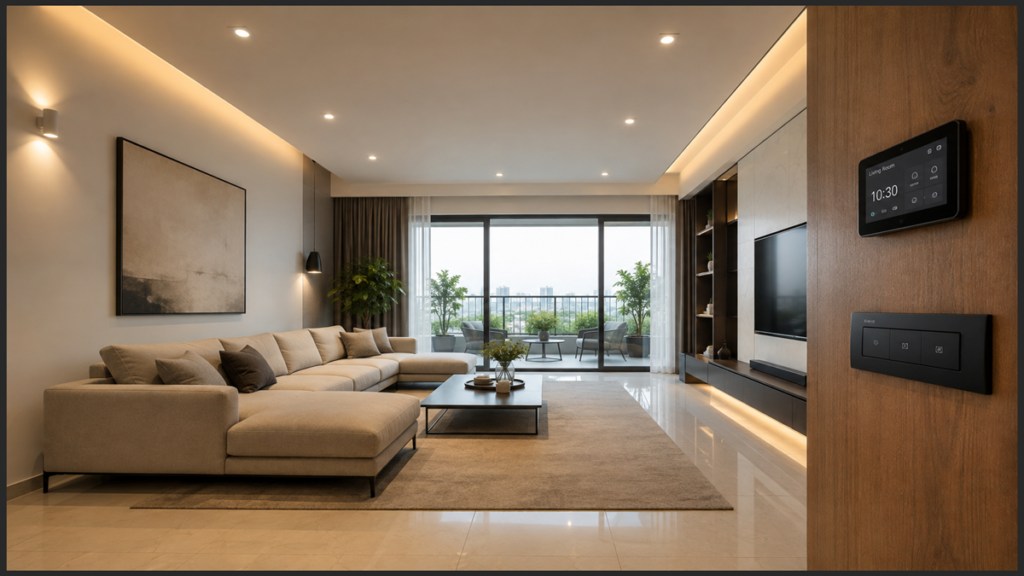
The era of harsh, bright white lighting is firmly in the past. Modern homeowners now prefer warm, comforting illumination in bedrooms, evening living areas, and gallery spaces to showcase artwork. Compact COB downlighters have surged in popularity for their ability to seamlessly shift a room’s atmosphere. Today’s focus centers heavily on lighting optics, consistent energy performance, and long-term durability, elevating lighting from a purely utilitarian utility to a core component of interior styling.
2. Minimalist Switchboards That Blend With Interiors
As interior designs lean toward clean, minimalist aesthetics, electrical fittings must integrate invisibly rather than stand out awkwardly. Traditional switchboards can instantly disrupt a freshly painted wall and contemporary furniture setup. Consequently, demand has skyrocketed for slim-profile designs, smooth finishes, and tactile switches. Modern consumers demand structural integrity hidden beneath sleek exteriors—such as heat-resistant materials and robust internal components that safeguard appliances while enhancing room elegance.
3. Meticulous Pre-Construction Electrical Planning
Breaking open newly finished walls to install forgotten sockets or reroute tangled wiring is a costly mistake of the past. Future-ready homeowners prioritize comprehensive electrical planning before a single brick is laid. This includes strategically placing bedside charging ports, extra kitchen counter outlets, dedicated heavy-duty lines for air conditioning units, surge protection devices against voltage fluctuations, and neatly organized distribution boards. Early planning ensures absolute safety and seamless organizational flow.
4. Practical, Intuitive Smart Features
Rather than overwhelming a residence with overly complex, glitch-prone automation networks, homeowners prefer understated smart features that naturally integrate into everyday routines. Popular additions include evening dimmers, motion-activated corridor lighting, elegant touch switches in living rooms, and simple voice-controlled circuits. True smart technology should effortlessly support your lifestyle rather than demand constant micro-management.
5. Climate-Resilient, Durable Electrical Products
Environmental stressors like intense heat, dust, humidity, and power surges require robust electrical infrastructure. High-performance products featuring advanced heat dissipation in light fixtures, heavy-duty internal switch mechanisms, and rapid-response safety fault breakers are now non-negotiable. Consumers expect high-grade engineering that performs reliably under real-world pressure, not just under showroom conditions.
Frequently Asked Questions (FAQs) on Building a new home in 2026
Q: Why is early electrical planning crucial when building a new home?
A: Building a new home in 2026 involves integrating numerous power-heavy digital devices and appliances. Planning electrical layouts upfront prevents destructive wall modifications later and ensures safety compliance, proper load distribution, and surge protection.
Q: How do minimalist switchboards improve home aesthetics?
A: Slim-profile, matte-finish switchboards blend smoothly into modern minimalist walls, eliminating the visual clutter of bulky, outdated plastic plates while offering superior heat resistance and safety.
Q: Are complex smart home automation systems recommended?
A: Industry experts suggest opting for practical, targeted smart upgrades—such as motion sensors, dimmers, and simple voice-controlled circuits—rather than convoluted systems that complicate daily routines.
Conclusion on Building a new home in 2026
Ultimately, designing a modern home is no longer about superficial luxury; it is a collection of conscious, thoughtful choices. When your electrical layout and interior design choices are executed with clear intent, your living space becomes a comfortable, secure sanctuary that simplifies everyday life.
Disclaimer: This article is for informational and educational purposes only and does not constitute professional architectural, financial, or certified electrical engineering advice. Always consult with licensed local contractors and certified electricians before undertaking major home construction or electrical installations.
Ready to future-proof your upcoming construction project? Subscribe to our newsletter for expert interior tips, electrical planning checklists, and exclusive insights from industry leaders!
Also Read: Top Home Interior Design Trends in India for 2026: A Modern Guide