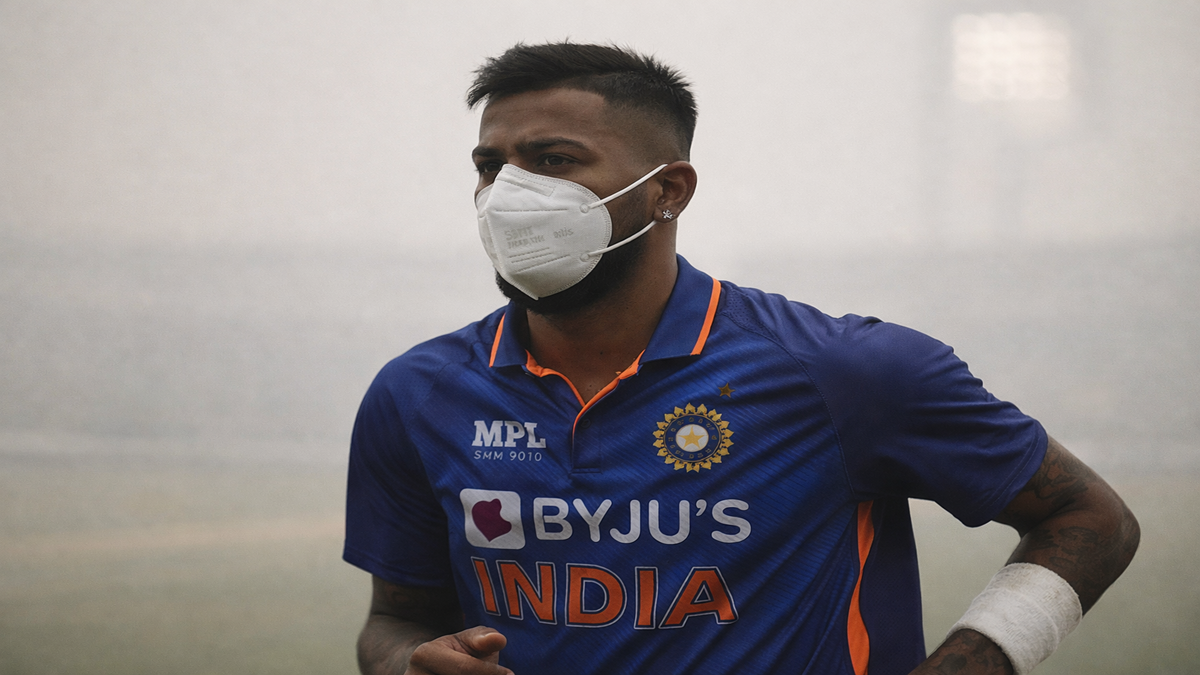
BCCI criticized Lucknow T20 pollution fog scheduling
The abandonment of the India-South Africa T20I in Lucknow has sparked significant criticism towards the Board of Control for Cricket in India (BCCI) for scheduling a high-profile winter match in a region known for severe air pollution and fog
.
Beyond just fog, the air quality in Lucknow was in the “hazardous” category, with the Air Quality Index (AQI) exceeding 400 on the day of the match. The severity of the conditions was highlighted when Indian all-rounder Hardik Pandya was seen wearing a mask during warm-ups for protection
.
A Pattern of Weather Woes
This incident is not isolated in the ongoing series. Players have already contended with challenging conditions:
- In Dharamsala, temperatures plunged below 10 degrees Celsius, which spinner Varun Chakaravarthy described as extremely difficult to play in
.
Similar visibility and cold issues were reported during the match in New Chandigarh
Critics argue that the BCCI failed in its duty of care to players and fans by not having adequate contingency plans, such as scheduling day-night matches or having a reserve day for such weather-prone venues
.
BCCI criticized Lucknow T20 pollution fog scheduling: Focus Now Shifts to Ahmedabad
With no reserve day for the Lucknow match, the series moved directly to its final match in Ahmedabad, where India holds a 2-1 lead
. The controversy has ignited a broader debate about sustainable and sensible scheduling for India’s vast home season.
Also Read: Arjuna Ranatunga Faces Arrest in Sri Lanka Petroleum Corruption Case