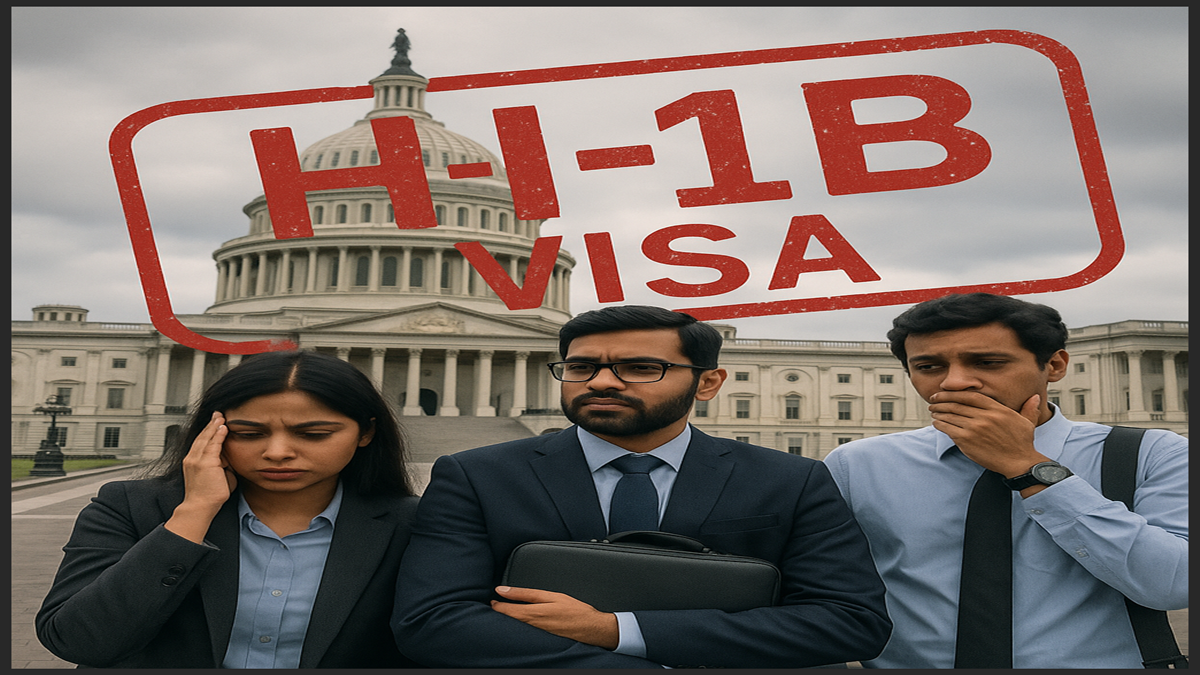
Introduction to H-1B Visa Fee Hike Impact on Indian Tech Workers
In a move that has shocked the global technology sector, U.S. President Donald Trump has announced a massive H-1B visa fee hike. The annual cost has been raised to $100,000, creating serious concerns for thousands of Indian professionals working in America. India has officially responded, expressing deep concern about the H-1B visa fee hike impact on Indian tech workers, warning that the decision could lead to humanitarian and economic challenges.
India’s Official Response
The Ministry of External Affairs (MEA) of India stated on Saturday that it is closely studying the implications of the U.S. decision. The government highlighted that the move could disrupt families, cause financial hardship, and potentially escalate into a humanitarian crisis.
India emphasized that the movement of skilled professionals has been a key driver of innovation and technological cooperation between the two nations. The MEA expressed hope that the issue would be resolved through diplomatic consultations, given the strong bilateral relations between India and the U.S.
Details of Trump’s Decision
President Trump signed the order as part of his broader immigration reforms aimed at tightening visa rules. The new fee represents an exponential increase compared to the previous range of $1,000 to $5,000.
Currently, around 71% of H-1B visa holders in the U.S. are Indians, amounting to nearly 300,000 professionals. This sudden fee hike could force companies to reconsider hiring policies and affect Indian workers already employed in the American technology sector.
Economic and Humanitarian Concerns
Experts note that the revised visa cost is higher than the average annual salary of many new H-1B workers. For existing professionals, the fee is estimated to consume more than 80% of yearly wages, effectively making the program unviable.
Industry analysts warn that the decision could be seen as a move to indirectly shut down the H-1B program. This raises fears of job losses, stalled projects, and reduced cross-border collaboration in technology.
Expert Opinions
- Immigration policy experts have called the fee hike “unprecedented” and warned it will disrupt global talent mobility.
- IT industry leaders in India have urged both governments to find a middle ground to avoid large-scale disruption.
- Economists suggest the move could also hurt U.S. companies that depend heavily on skilled Indian workers to maintain competitiveness.
Frequently Asked Questions (FAQs)
1. What is the new H-1B visa fee announced by Trump?
The annual H-1B visa fee has been raised to $100,000, a sharp increase from the earlier range of $1,000–$5,000.
2. How will the H-1B visa fee hike impact Indian tech workers?
Indian professionals may face severe financial strain, as the new fee is higher than average annual salaries for many workers, making it unaffordable for both employees and employers.
3. How many Indians currently hold H-1B visas in the U.S.?
Approximately 300,000 Indian professionals are working in the United States under H-1B visas, accounting for nearly 71% of total H-1B holders.
4. Could this decision affect U.S. companies as well?
Yes. U.S. firms, particularly in the tech sector, rely heavily on skilled Indian workers. Increased costs could lead to talent shortages and higher project expenses.
Conclusion on H-1B Visa Fee Hike Impact on Indian Tech Workers
The H-1B visa fee hike impact on Indian tech workers is expected to be severe, with long-lasting consequences for families, businesses, and bilateral ties. While India has raised humanitarian and economic concerns, experts believe that strong diplomatic engagement will be necessary to mitigate the fallout of this unprecedented decision.
Disclaimer on H-1B Visa Fee Hike Impact on Indian Tech Workers
This article is based on current reports and expert analysis. It does not constitute legal or immigration advice. Readers should consult qualified professionals for case-specific guidance.